Polar climates
The coldest, driest polar places, with tundra left on its own site.
The World Meteorological Organization’s official air-temperature record is −89.2 °C, at Vostok, on 21 July 1983. Later satellite figures are colder still at the snow surface, and are kept distinct. This desk is about ice-cap climates, not a second tour of tundra.
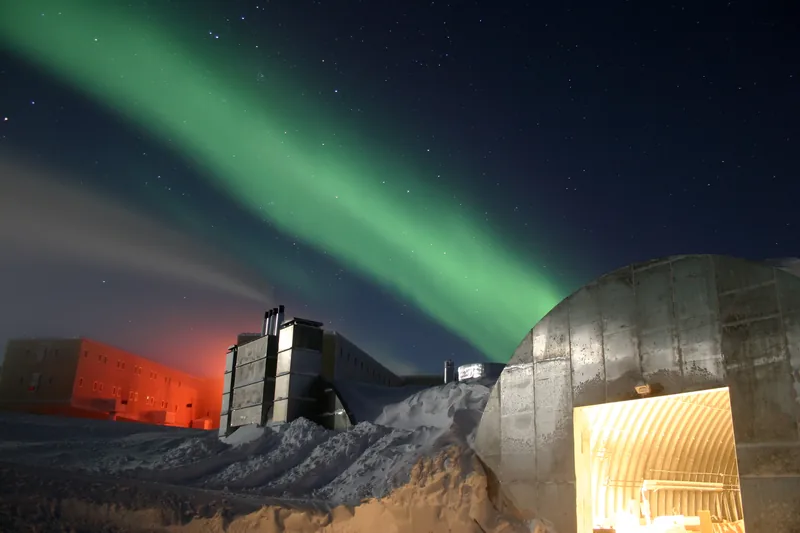
Ice caps, not a second tundra desk
The Met Office defines a polar climate as one of prolonged cold, with no months of the year averaging above 10 °C. Within that group, an ice-cap climate is sterner still: no months average above 0 °C, plants cannot grow, and snow and ice accumulate until they slide or flow as glaciers. [source] NOAA’s Jetstream page puts the same 10 °C threshold in Fahrenheit, as a warmest month less than 50 °F, and places polar climates on the northern coastal areas of North America, Europe and Asia, and on the land masses of Greenland and Antarctica. [source]
Tundra — where some plant life can grow, but the season is too short for trees — already has its own site at tundra.climates.im. The Met Office notes that tundra at altitude is usually called alpine climate, and that the summits of Ben Nevis and Cairn Gorm sit in that zone. [source] This desk stays with the ice caps, the ice sheets, and the official records of just how cold, and how dry, those places can be.
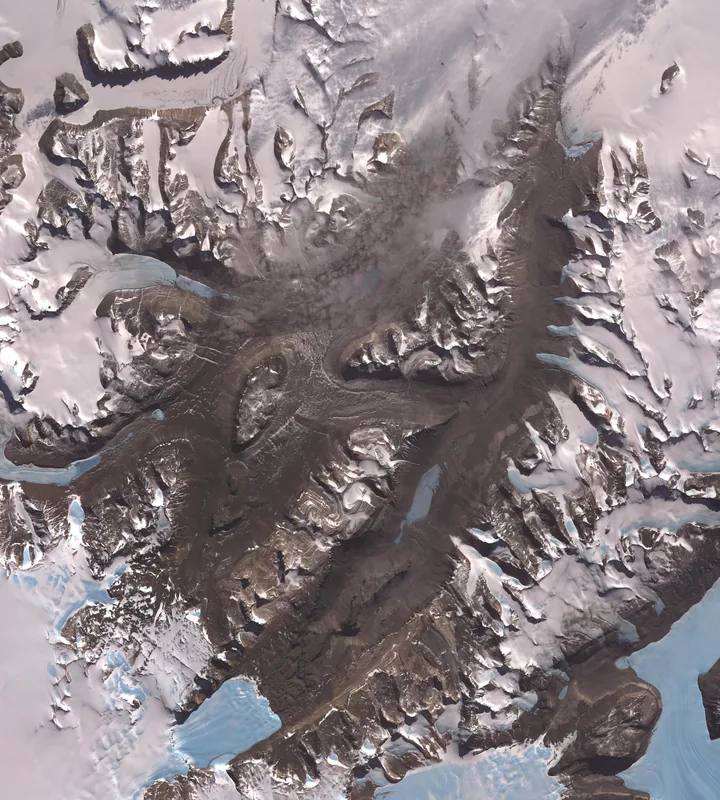
Even a continent of ice has valleys that barely hold snow. NASA Science describes the McMurdo Dry Valleys, west of McMurdo Sound, as so named because of their extremely low humidity and lack of snow and ice cover, and dates the Terra image above to 8 December 2002. [source] The file page gives a different date; both are kept on the field notes.
The official air-temperature record is older, and lower, than many casual retellings. The World Meteorological Organization records −89.2 °C (−128.6 °F) at Vostok Station on 21 July 1983. [source] [source] Later satellite work found still colder land-surface temperatures on the East Antarctic Plateau. Those figures live on the coldest-place desk, beside the WMO record, not instead of it.
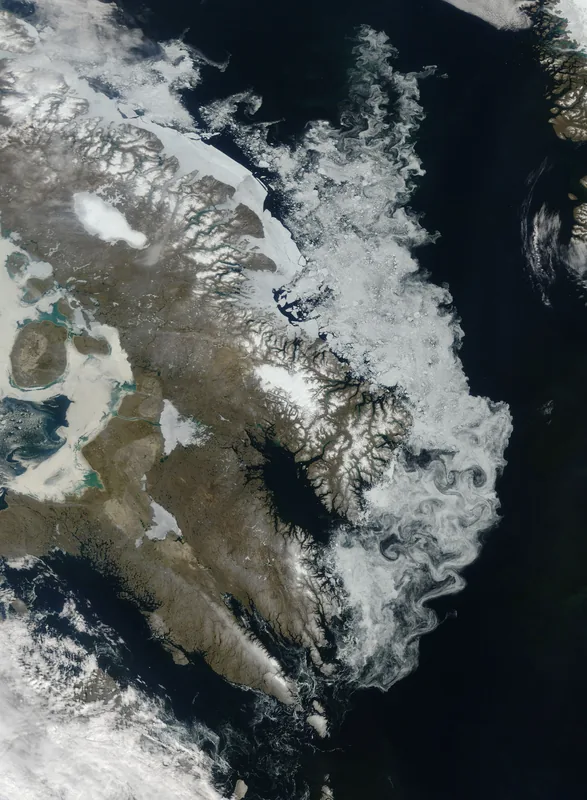
North of the other pole, sea ice still frames coasts such as Baffin Island, and Greenland still carries one of Earth’s only two ice sheets. [source] Wild weather — blizzards as events, rather than climates — stays on our sister hub at storms.im, as the climates hub already promises.
Enjoyed a desk of official cold records, ice caps, and a night that lasts a season?
No pop-ups. No intrusive advertising. Just interesting stuff. A little support helps the next climates.im site get built.